

On January 16, 2026, the press conference for the Center for Sustainable Development of the Global South (CSDGS), Academy for International and Regional Studies, Shanghai Jiao Tong University (SJTU), was held at Xuhui Campus. Peng Qinglong, Dean of the Academy for International and Regional Studies and Director of the CSDGS, and Cheng Lingzhi, Distinguished Research Fellow of the CSDGS, delivered keynote introductions. Professor Feng Shaolei from East China Normal University and Professor Wu Yun from Tongji University gave speeches on the value of Global South research and the significance of the center’s establishment. Relevant on-campus department heads made statements on platform construction and international talent training, and the conference was hosted by Cao Jie, Deputy Director of the SJTU Publicity Department.
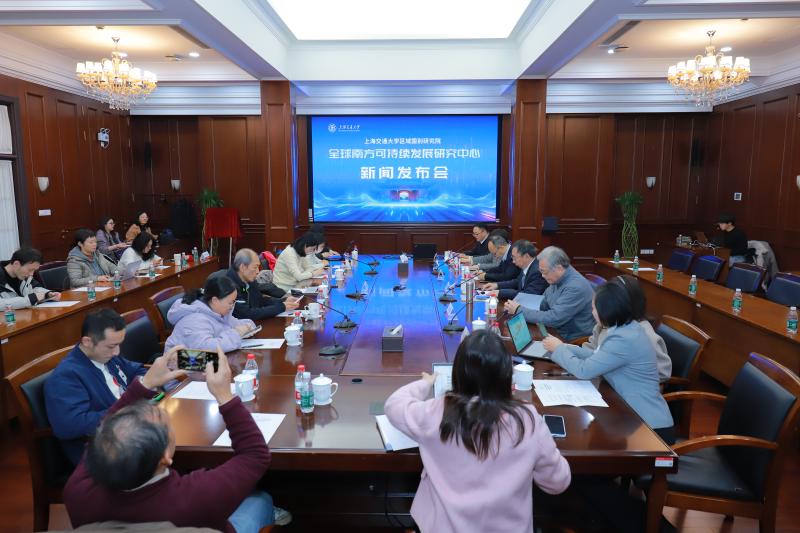
Focusing on the Global South and Cutting-edge Directions
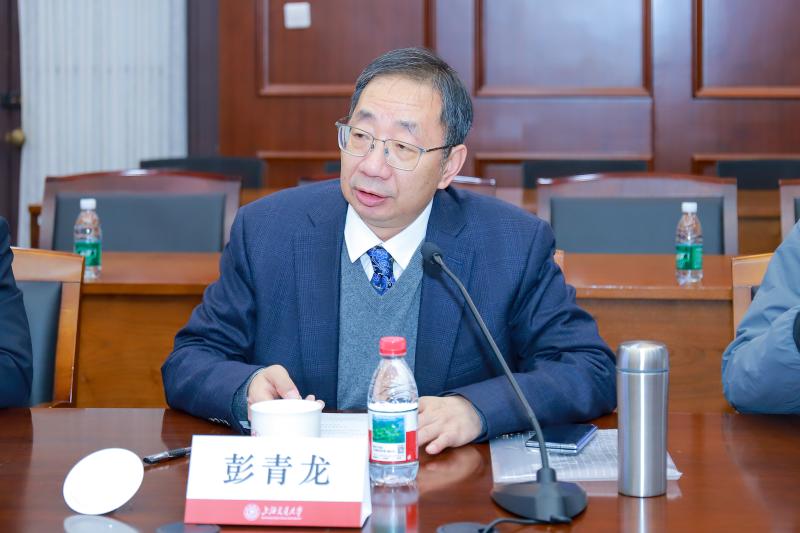
Peng Qinglong introduced the progress of the academy and the positioning of the CSDGS, pointing out that the center is an important part of China’s independent knowledge system for area studies. Its core is to explore the experience of modernization and sustainable development in Global South countries, promote the multipolarization and justice of the international order, and help build a community with a shared future for mankind. Based on national strategic needs, relying on SJTU’s strengths in science, engineering and medicine, the center conducts interdisciplinary research around the "six major technological and industrial directions" and the university’s "six major action plans", striving to create "six-force" achievements. It also focuses on issues such as climate change and public health, and builds a Global South cooperation network with talent training as the starting point.
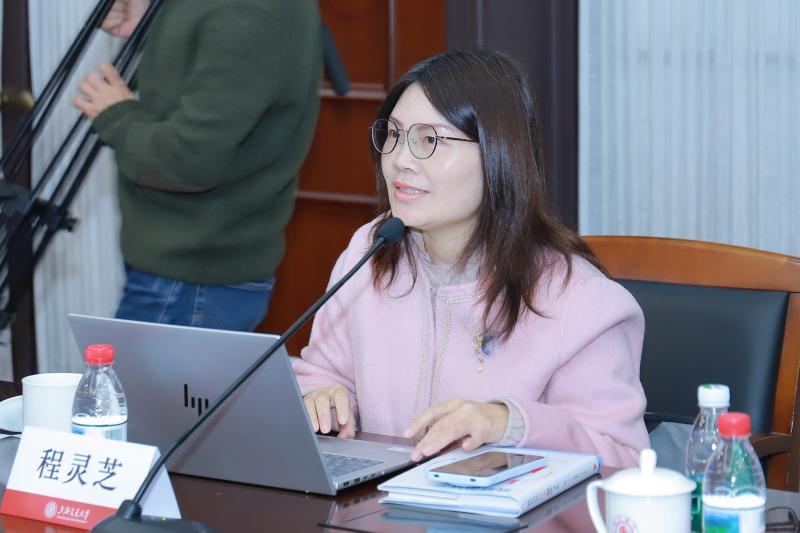
Distinguished Research Fellow Cheng Lingzhi emphasized that the establishment of the CSDGS demonstrates SJTU’s responsibility in serving national strategies, inherits the academy’s mission of "from two oceans to the world", and responds to the country’s concerns about the Global South. As a member of the Global South, China advocates joint self-improvement and explores a non-Western modernization path. The center will be driven by both academic research and think tank construction, share China’s experience in technology, poverty alleviation and other fields, and help Southern countries explore sustainable development paths.
Advice from External Experts
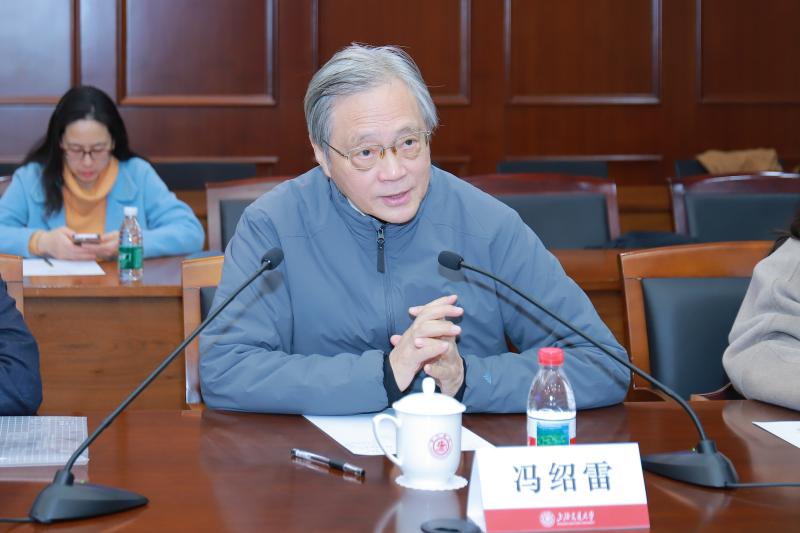
Professor Feng Shaolei stated that the current international situation is complex, the strategic status of the Global South is prominent, and multipolarization is an inevitable trend. The CSDGS at SJTU integrates the advantages of liberal arts and science, which is of far-reaching significance for discipline construction, national strategies and global sustainable development. China’s development model provides a new paradigm for cooperation among Southern countries, and the relationship between the two sides has entered a new stage of common development. It is timely for SJTU to carry out interdisciplinary research, and he looks forward to strengthening inter-university cooperation.
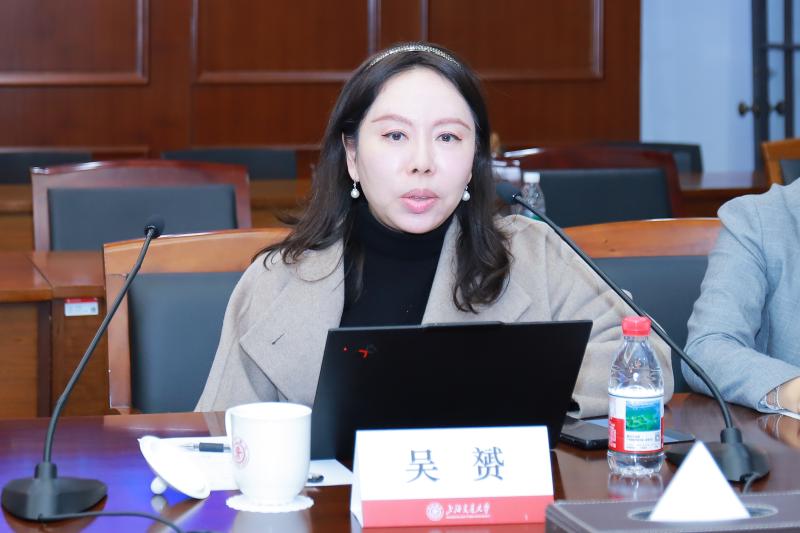
Professor Wu Yun pointed out that the rise of the Global South is reshaping the global pattern, and systematic research is related to grasping world trends and co-constructing knowledge systems. The establishment of the center marks Chinese universities’ in-depth participation in global knowledge co-construction, helping to break Western-centric narratives. In the future, it will become a link for academic exchanges, tell "Southern stories" well, and convey Chinese voices.
Multi-departmental Collaboration
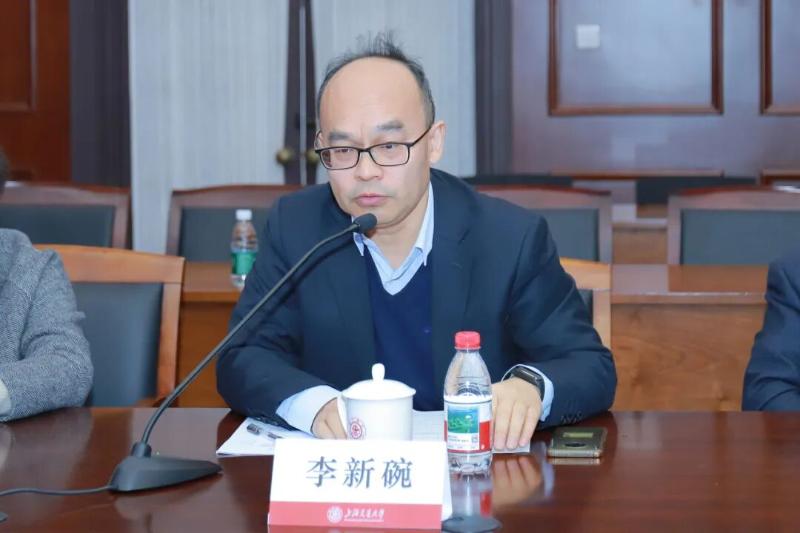
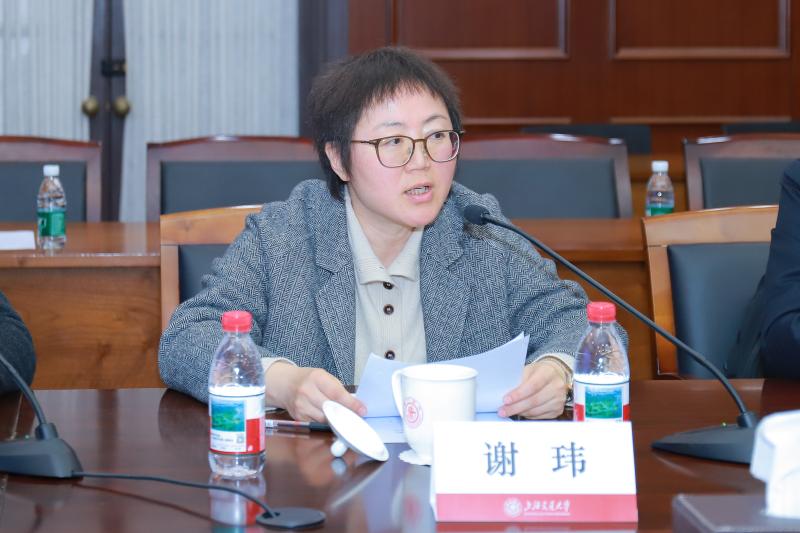
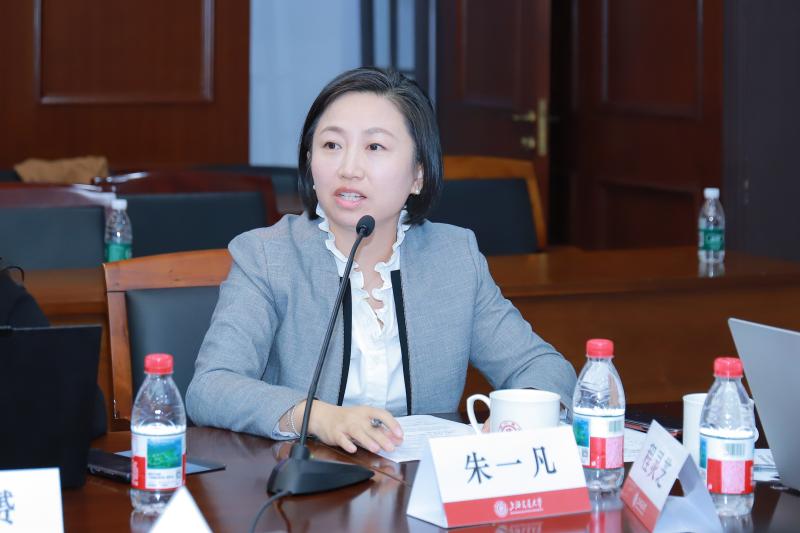
Li Xinwan, Director of the Think Tank Center, proposed integrating science and engineering strength with area studies to create leading achievements. Xie Wei, Deputy Director of the Office of International Cooperation and Exchange, stated that the university will optimize the enrollment, training and scholarship system for international students from Southern countries. Zhu Yifan, Secretary of the Party Committee of the School of Foreign Languages, said that the school will implement the "Future Young Leaders" Program, build a "four-in-one" education system, and transport talents to international organizations.
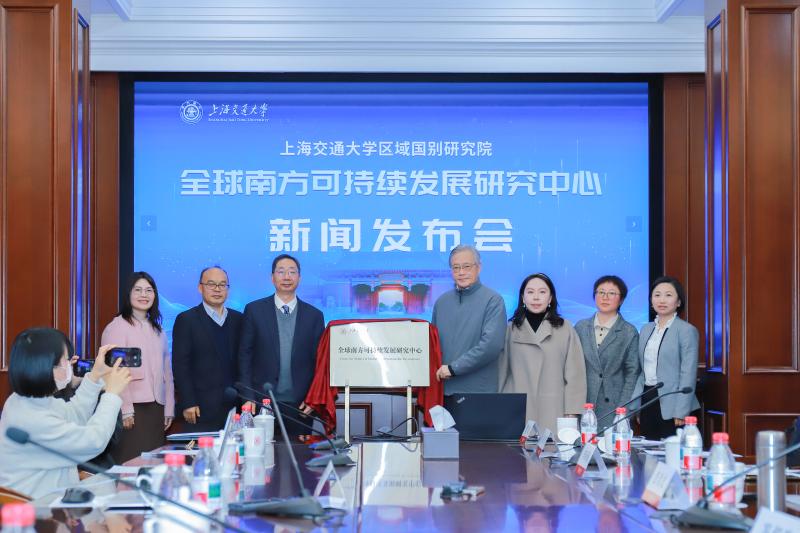
Leaders and experts present inaugurated the CSDGS.
During the Q&A session, guests and reporters exchanged views on the center’s construction and development plans. As an important measure for the Academy to strengthen university think tank construction and serve the development of the country and Shanghai, the CSDGS will be driven by both academic and think tank research in the future, strengthen the support of technology and soft power, expand international exchanges, and promote the transformation and dissemination of achievements.